Pipe Reeling Trials
Key features
Verification of reeling installation criteria and design parameters
Simultaneous laser and camera measurements allow 3D visualisation
Multiple scans identify pipe ovality changes through reeling cycles
Highly accurate and repeatable tools
Select and analyse localised features and defects
Reports available in multiple formats
Enables creation of a reeling finite element model
Simulated pipe reeling process

Years of research and innovation in the oil and gas industry have shown that the fastest and most efficient way to install offshore pipelines is to weld them onshore and spool onto an enormous reel for laying at sea. Spool bases around the world weld together multiple kilometre long strings for laying in an offshore location. Carrying out a simulated reeling process ensures the pipeline will meet continue to meet specification, even after reeling, before the pipes go offshore.
Measuring pipe ovality

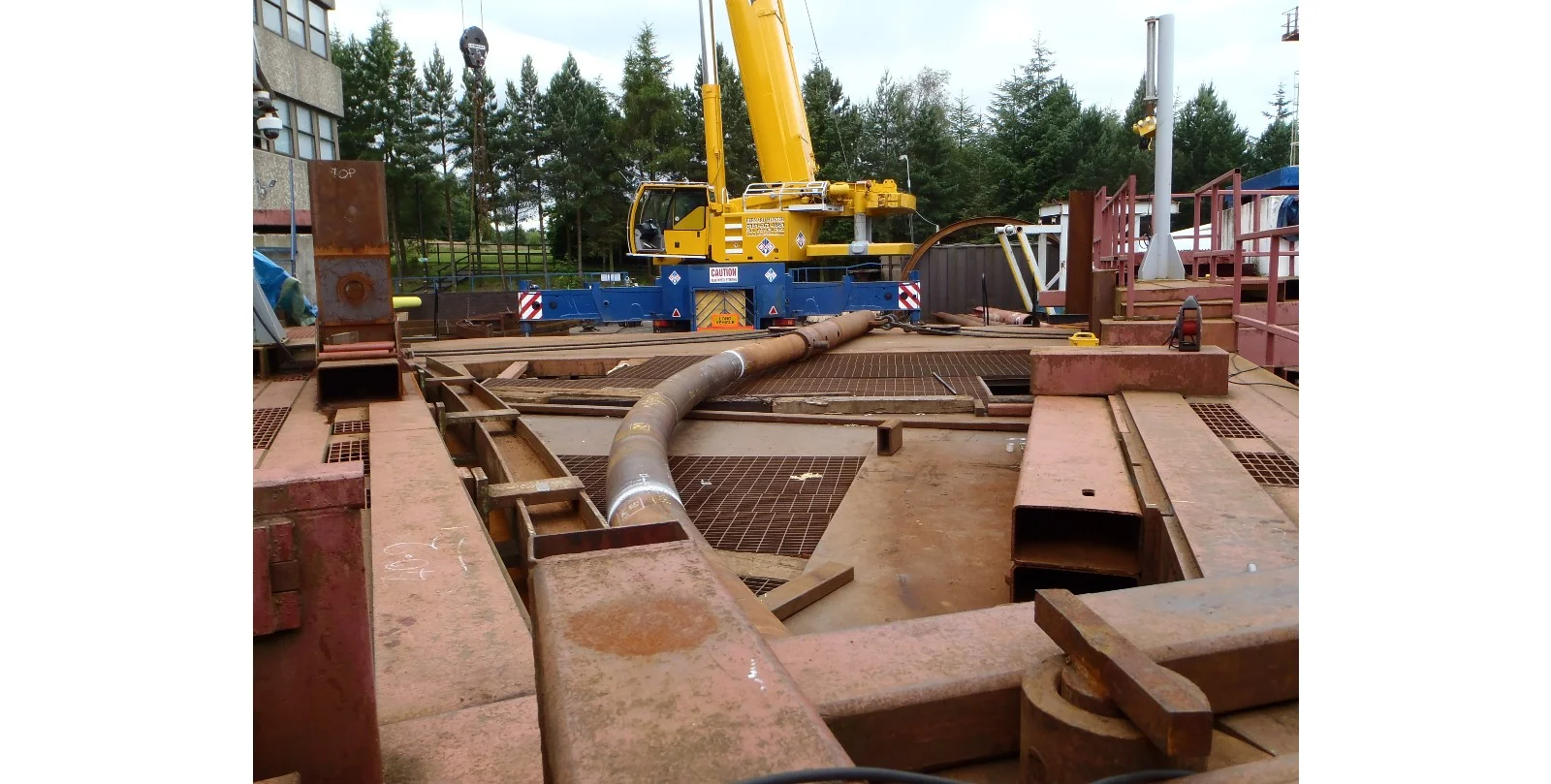
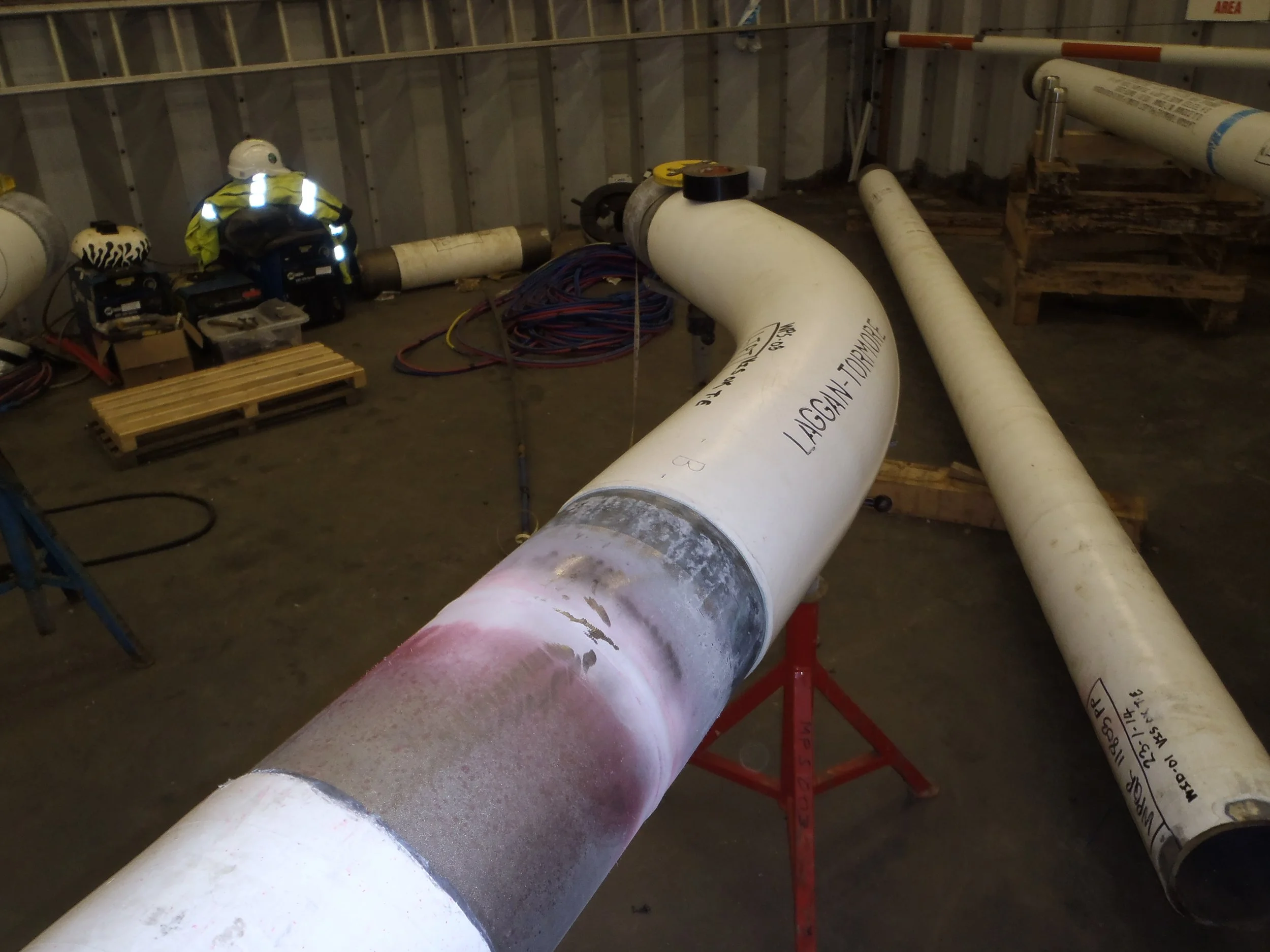
The OMS reeling trial involves multiple cycles of bending a pipe on a bend rig, set up with the same radius as the spool on the vessel, and then straightening it. Our profiling device, the Autotool, uses ultra HD cameras and lasers to take measurements at specified intervals throughout the pipe, creating a detailed image of its interior. Measurements are taken before and during bending, and after straightening. Data captured by our device is then analysed by our sophisticated software, which provides various visualisations including images that have been stitched together to provide 3D mapping of the pipe interior. Vital information is provided to our client, who can determine whether the pipeline meets specification or not.
Increased project success
Undertaking the simulation process at the same location as the pipe is bent and unbent allows vital measurement data to be collected for review by the design engineer. The following image shows a typical unwrapped and exaggerated profile of a pipe during the simulated reeling process.
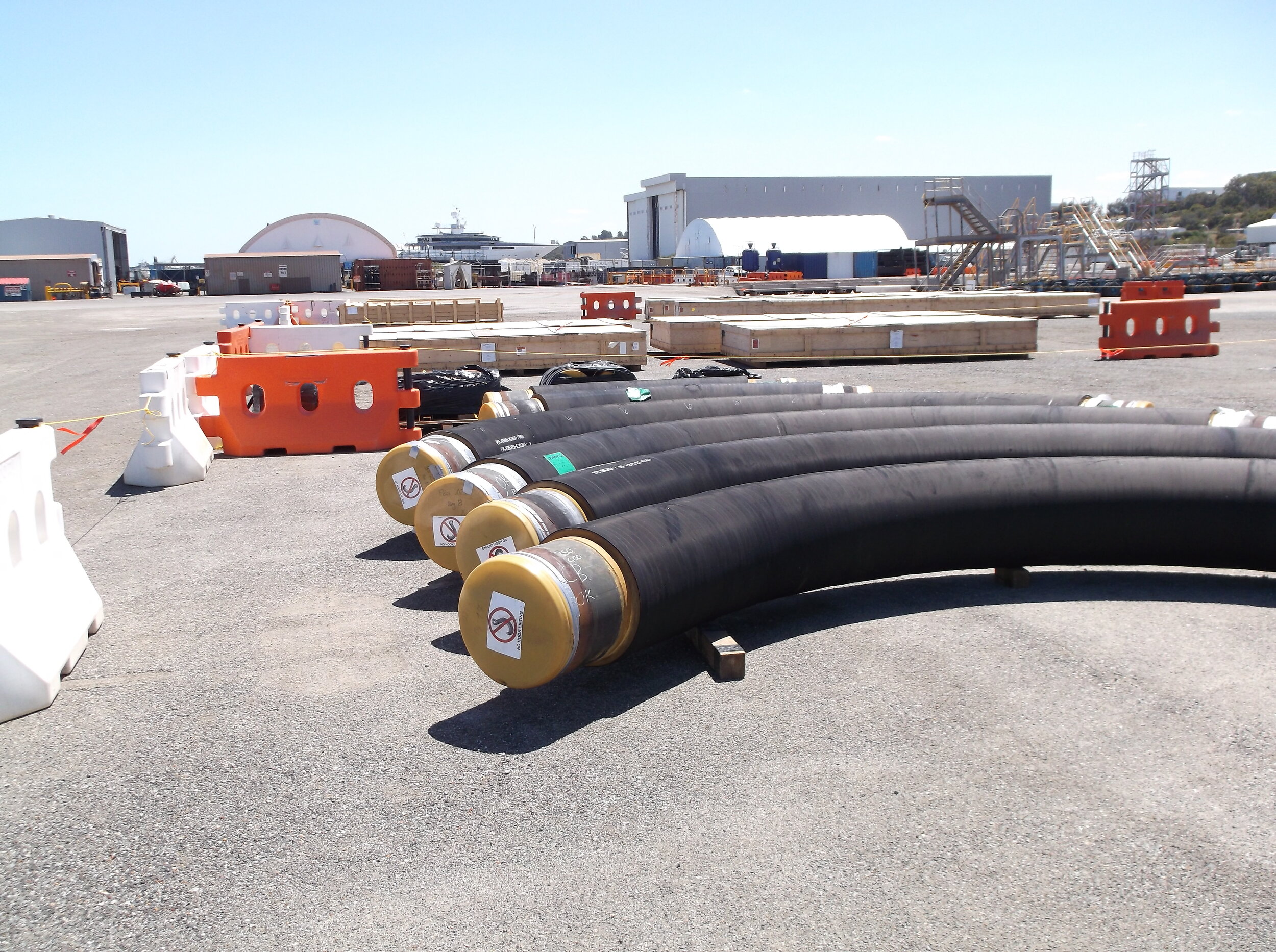
The OMS simulated pipe reeling process allows operators to avoid excessive ovality, saving time and costs, and increasing the likelihood of project success. The picture below shows the end goal – pipes of several kilometres long reeled onto a vessel for subsequent pipelay.